Aerobic septic systems offer advanced wastewater treatment—but they’re not immune to problems.
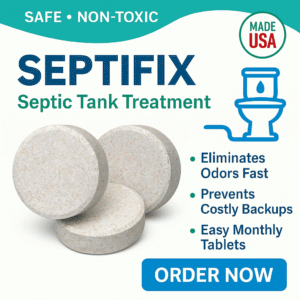
If you’re dealing with clogs, odors, or system alarms, SEPTIFIX – The #1 Septic Tank Treatment can help. These flushable tablets use oxygen-releasing compounds and bacteria to improve tank performance, dissolve solids, and eliminate foul smells. Start treating your system today.
What Is an Aerobic Septic System?
An aerobic septic system is a wastewater treatment unit that uses oxygen to help bacteria break down waste more efficiently than traditional anaerobic systems.
It consists of multiple stages: a pretreatment tank, an aeration chamber (where air is pumped in), a clarification chamber, and sometimes a chlorination or UV disinfection stage before water is discharged to a drain field or drip irrigation system.
Most Common Aerobic Septic System Problems
1. Alarm Activation or Power Failure
If your system’s control panel alarm goes off, it’s often due to one of three reasons:
- Aerator failure or power loss
- High water levels due to pump failure
- Clogged or overloaded tanks
Check your breaker box first. If power is fine, you may need a service technician to inspect the aerator or pump system.
2. Odors Around the System
One of the top complaints with failing aerobic systems is strong sewer gas smells near the tank, sprinklers, or yard. This is typically caused by:
- Aerator not working (anaerobic bacteria taking over)
- Excess sludge or grease buildup
- Improperly functioning chlorinator
Solution: Regular cleaning and biological treatment with SEPTIFIX can prevent gas buildup and restore oxygen balance fast.
3. Excess Foam in the Aeration Tank
Foam in your tank could signal:
- Too much detergent or soap entering the system
- Low oxygen levels or aerator malfunction
- Too many grease-based solids
This foam can lead to improper digestion and pump clogs over time. Avoid high-foaming detergents and monitor your aerator’s airflow regularly.
4. Sprinkler Malfunction or Over-Spray
Many aerobic systems discharge treated effluent through sprinklers. Common issues include:
- Sprinklers not turning off
- Spray heads clogged with debris
- Water pooling in the yard or near the house
This usually ties back to high effluent levels, filter blockages, or improper grading.
5. Clogged Diffusers or Air Stones
In the aeration chamber, diffusers release air to feed aerobic bacteria. These can become clogged with:
- Iron, calcium, or organic matter
- Soap scum or grease buildup
Clogged diffusers reduce system efficiency and create anaerobic conditions, which may lead to odors and solids accumulation.
Other Common Aerobic System Troubles
| Problem | Cause | Suggested Fix |
|---|---|---|
| Odors near sprinkler heads | Under-chlorination or dirty tank | Clean tank and add SEPTIFIX |
| Chlorine tablet not dissolving | Moisture or outdated tablet | Replace with fresh chlorine supply |
| Insects or mosquitoes in tanks | Poor sealing, lid gaps | Seal lids, treat with larvicide if needed |
| Sudden backups inside the home | Pump failure, tank overload | Call technician; add emergency treatment |
How to Prevent Aerobic Septic System Problems
1. Maintain the Aerator
The heart of your aerobic system is the aerator. Make sure it:
- Is running 24/7 (except during servicing)
- Sounds steady and quiet—not loud or rattling
- Has clean intake and proper airflow
2. Pump the Tank Regularly
Even aerobic systems need pumping—typically every 2 to 4 years. Excess solids reduce oxygen flow and stress the pump.
3. Avoid Chemical Cleaners
Bleach, antibacterial soaps, and drain cleaners can disrupt your bacterial balance. Switch to septic-safe cleaners and avoid dumping grease or medication into your drains.
4. Use a Monthly Biological Treatment
SEPTIFIX is ideal for aerobic systems. It releases oxygen, promotes bacteria growth, and dissolves sludge—all without damaging pumps or sprinklers.
Why SEPTIFIX Is a Smart Add-On for Aerobic Systems
Unlike traditional chemical treatments that kill bacteria or clog filters, SEPTIFIX is designed to enhance system performance.
- Delivers time-released oxygen to support aerobic digestion
- Breaks down grease, waste, and sludge
- Neutralizes odors and gases like hydrogen sulfide and methane
- Flushable and automatic—no manual dosing or mixing
Start your SEPTIFIX treatment now to restore your system’s oxygen levels and microbial balance.
When to Call a Technician
Some problems require more than DIY maintenance. Call a licensed septic service if you notice:
- Persistent alarm or power failure
- Raw sewage backup
- Sprinklers running constantly or not at all
- Visible tank damage or overflowing access ports
Conclusion
Aerobic septic systems are efficient, but they come with their own unique set of problems. Whether it’s alarm issues, odors, or excess sludge, staying proactive is key to protecting your investment.
SEPTIFIX is the easiest, most effective way to support your aerobic system’s health. Just flush one tablet per month and enjoy cleaner water, no odors, and fewer service calls.
Click here to try SEPTIFIX now and breathe new life into your aerobic septic system—before small issues become major headaches.