Few problems cause more stress for homeowners than a clogged septic tank. Slow drains, foul odors, or sewage backing up into the house are all warning signs that something is wrong. But here’s the truth: you can’t unclog a septic tank the same way you unclog a regular drain. Septic tanks are delicate systems that rely on bacteria to break down waste. The wrong approach can make things worse—or even damage your system. In this guide, we’ll cover safe ways to deal with a septic clog, what products can help, and when to call in the professionals.
Quick Picks: Best Tools & Treatments for Septic Clogs
- RID-X Septic Treatment – Best Overall: trusted enzyme and bacteria blend that helps break down waste and restore flow.
- Green Gobbler Septic Saver Packs – Best Budget: simple monthly packets that prevent clogs and improve tank function.
- Bio-Clean Septic Waste Digester – Best Premium: professional-grade bacteria and enzyme formula for stubborn septic clogs.
Buyer’s Guide: Safe Ways to Handle Septic Tank Clogs
- Avoid Chemical Drain Cleaners: Products like Drano can kill septic bacteria and damage your system.
- Check Filters and Pipes: Sometimes the problem is a clogged effluent filter or pipe, not the tank itself.
- Use Natural Enzyme Additives: These help break down solids and restore bacterial balance.
- Schedule Pumping: If your tank is full, no additive will help—it needs to be pumped by professionals.
- Prevent Future Issues: Regular treatments, septic-safe toilet paper, and avoiding grease in drains keep clogs from returning.
Step-by-Step: How to Unclog a Septic Tank
- Identify the Symptoms: Slow drains, bad smells, or sewage backup suggest a clog or full tank.
- Inspect the Septic Alarm (if installed): A red light or beeping alarm may indicate high water levels.
- Check the Effluent Filter: Many clogs are due to a blocked filter at the outlet pipe.
- Use Enzyme Treatments: Products like RID-X or Bio-Clean help digest solids naturally.
- Call a Septic Professional: If the problem continues, your tank may need pumping or repairs.
Detailed Product Reviews
RID-X Septic Treatment
Who it’s for: Homeowners who want an affordable, reliable product to maintain septic flow.
- Key Benefits: Breaks down grease, paper, and organic waste with bacteria and enzymes.
- Pros: Widely available; budget-friendly; easy monthly use.
- Cons: Best as maintenance, not a quick-fix for severe clogs.
Verdict: A household classic that prevents future clogs when used consistently.
Green Gobbler Septic Saver Packs
Who it’s for: Families who prefer a no-mess, drop-in solution for clog prevention.
- Key Benefits: Pre-measured packs release enzymes to digest fats and paper waste.
- Pros: Simple; eco-friendly; effective over time.
- Cons: Must be used monthly for lasting benefits.
Verdict: The easiest way to keep septic bacteria healthy and clogs under control.
Bio-Clean Waste Digester
Who it’s for: Homeowners dealing with recurring or stubborn septic clogs.
- Key Benefits: Professional-strength bacteria and enzyme blend for deep waste digestion.
- Pros: Highly effective; eco-friendly; lasts longer than budget treatments.
- Cons: Higher upfront cost.
Verdict: A premium option that restores septic performance quickly.
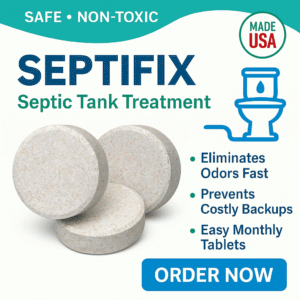
Roebic K-37 Septic Tank Treatment
Who it’s for: Homeowners wanting a liquid enzyme solution for easy pouring.
- Key Benefits: Liquid bacteria and enzymes work to restore balance.
- Pros: Affordable; simple to use; effective.
- Cons: Requires repeat applications.
Verdict: A dependable mid-tier choice for handling mild septic clogs.
Earthworm Septic System Treatment
Who it’s for: Eco-conscious households who want a natural enzyme formula.
- Key Benefits: Plant-based, enzyme-rich solution safe for septic and the environment.
- Pros: Eco-friendly; safe for kids and pets; pleasant scent.
- Cons: Preventive only—not strong enough for major clogs.
Verdict: Perfect for ongoing maintenance in green households.
Comparison Table
| Product | Type | Best For | Price Link |
|---|---|---|---|
| RID-X Septic Treatment | Powder/Liquid | Affordable upkeep | See Price |
| Green Gobbler Saver Packs | Flushable packets | No-mess convenience | See Price |
| Bio-Clean Waste Digester | Powder bacteria blend | Professional strength | See Price |
| Roebic K-37 Treatment | Liquid bacteria | Easy application | See Price |
| Earthworm Treatment | Liquid enzyme | Eco-friendly homes | See Price |
FAQ
1. Can I use Drano to unclog my septic tank?
No, chemical drain cleaners damage bacteria and can harm your septic system.
2. What’s the fastest way to unclog a septic tank?
If the tank is full, pumping is the only solution. Enzyme treatments help with buildup but take time.
3. How can I tell if my septic tank is clogged or just full?
A clogged filter or pipe usually causes slow drainage, while a full tank leads to backups throughout the home.
4. How often should I use enzyme additives?
Monthly treatments are recommended to maintain balance and prevent future clogs.
5. When should I call a professional?
If sewage is backing up into your home or enzyme treatments don’t improve flow, call a septic service immediately.
Conclusion
Unclogging a septic tank requires a different approach than clearing a simple drain. Chemical cleaners won’t help—in fact, they can cause serious harm. Instead, start with enzyme treatments, check your effluent filter, and call for pumping if needed. With regular maintenance and the right products like RID-X, Green Gobbler, or Bio-Clean, you can keep your septic system healthy, prevent costly clogs, and avoid unpleasant surprises.